
Wellness real estate is forecast to hit $1.8 trillion. The question is whether any of it works.
The fastest-compounding corner of global real estate isn't offices, logistics or data centres. It's wellbeing – and it's growing 23.6% a year since 2019.
Here's what that number really means, where the money is landing, and the gap that will separate the real thing from the wellness-washing.
Hi, I'm Hannah, from Oyogo – and this is our Oyogo Edit.
Every Sunday, me and the team will take one idea or one property from the world of wellbeing travel and living, and tell you the truth about it – the thesis, the numbers, and the honest verdict. From time to time we'll bring in experts, too, to give their take on a property or a wellness-travel trend worth watching.
I'm starting with the number everyone in this industry is quoting, because it's the tide lifting every boat we'll cover from here. But a big number hides a harder question – and that question is really what this whole newsletter exists to answer.
– Hannah Paradise, Founder, Oyogo · @hann_oyogo
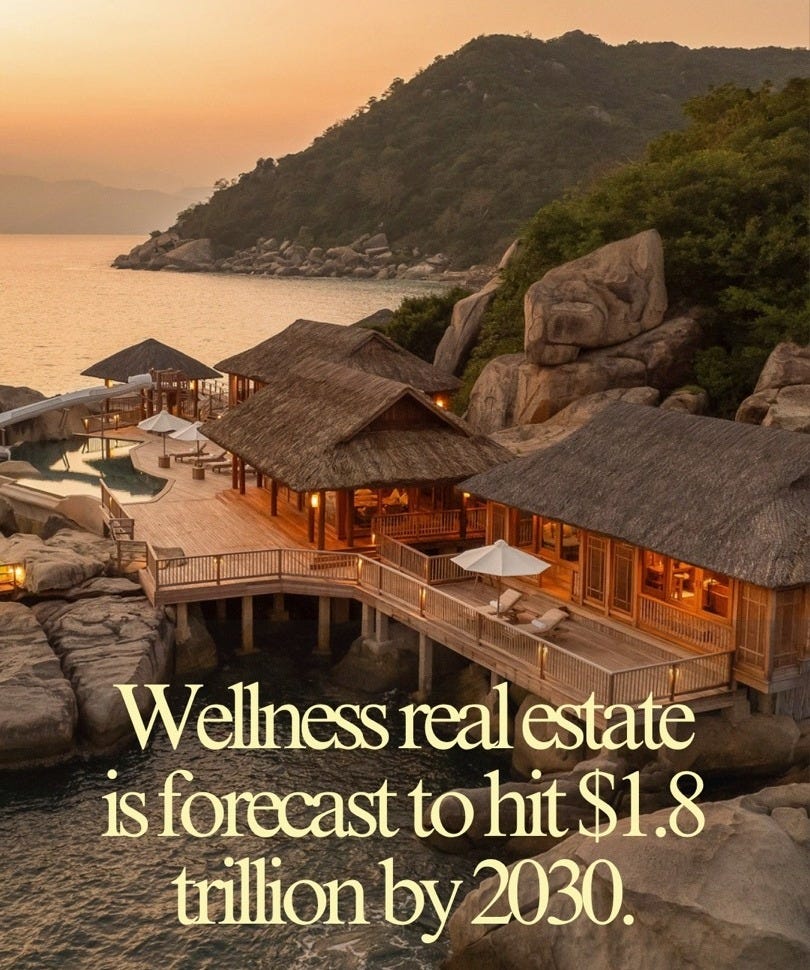
When we posted that wellness real estate is forecast to reach $1.8 trillion by 2030, it did something none of our other content had. It reached 227,000 accounts, over 80% of them people who don't follow us, and more than 5,000 of them saved it for later. That's not a vanity metric. A save is a promise – it means I want to understand this.
So let's understand it properly. The Global Wellness Institute puts the wellness-real-estate market at $876 billion in 2025, up from just $151 billion in 2017. It has compounded at 23.6% a year since 2019 – a rate that outpaces almost every other asset class – and GWI forecasts it will reach $1.8 trillion by 2030. For scale, that is larger than the entire global hotel industry today.
This is homes, resorts and residences designed around how you sleep, move, eat and recover. And the geography of it is not where you'd guess: Asia-Pacific leads at $350 billion, ahead of North America ($274bn) and Europe ($205bn). The growth leaders are stranger still – Italy compounding at 50% a year, Spain at 46%, Saudi Arabia at 34%.
The number is already becoming concrete
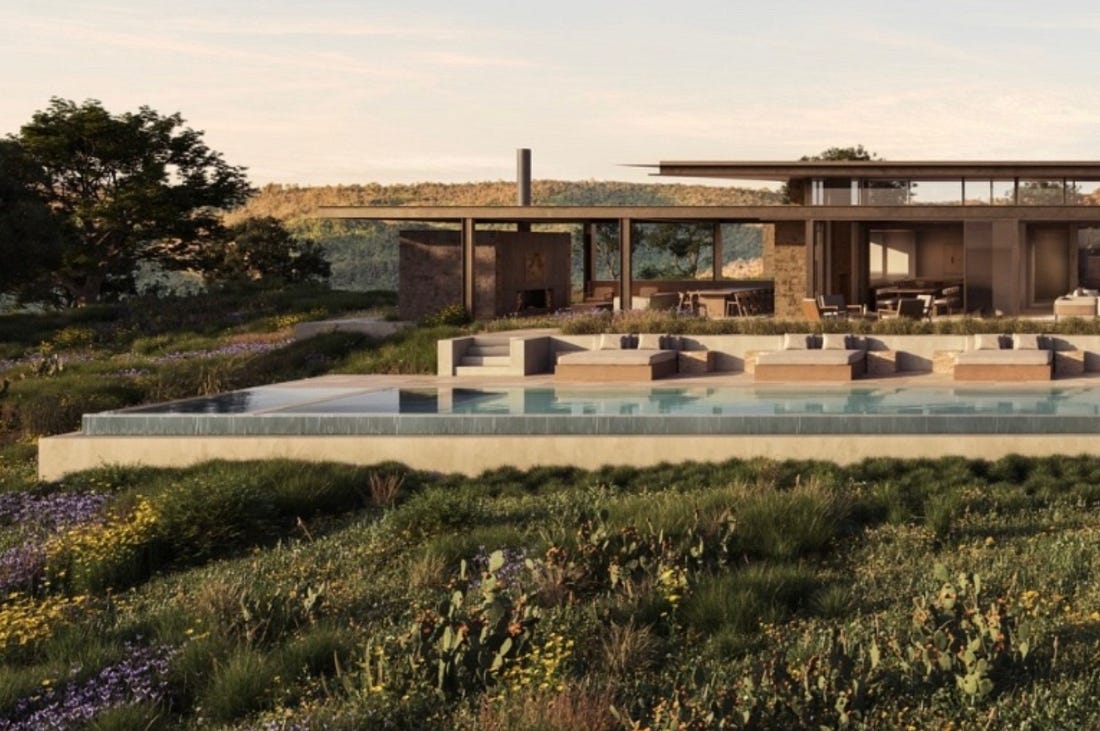
Forecasts are easy to dismiss until you watch the cranes go up. In a single fortnight this summer, two sovereign-scale projects broke ground that show exactly what "$1.8 trillion" looks like on the ground.
In Abu Dhabi, Aldar unveiled Marsa Al Saadiyat – a US$27.2 billion district for 58,000 residents where the wellness argument is built into the ground plan, not bolted on as a spa. Every home sits within 150 metres of an active route, across 140km of walking paths and a 46km cycling loop. It is the single largest wellness-real-estate commitment we've logged this year.
In Bangkok, the more telling one: WellEra Bangkok, a US$865 million complex – developed not by a hotel group but by a hospital group, Bangkok Dusit Medical Services, with Capella as residential partner. When the developer is a hospital operator, the wellness claim carries a different kind of underwriting.
That's the real shift. For a decade, wellbeing was something you left home to find – a retreat, a spa week, a two-night reset. Now people want it built into where they live and stay. And the market has noticed that wellness-branded residences command higher prices per square metre and sell faster. The economics finally back the ethos.
Where the whole thing gets fragile
Here's the honest part – the reason a trillion-dollar headline should make you more sceptical, not less.
Most of what gets called "wellness real estate" is a sauna, a marketing deck and a nice-to-have gym. And the demand signal underneath the boom is softer than the build-out suggests. Wellness tourism is compounding at 9% a year on paper – Phocuswright sizes it at $894 billion, heading for $1.4 trillion by 2029. Yet CBRE's latest figures show US resort occupancy still sitting 5.4 points below 2019. The category is growing on rate, not on filling rooms. People are paying more, but they aren't necessarily showing up more.
At the same time, consumers are quietly simplifying. For the first time in 21 years, convenience has overtaken healthfulness as a driver of what Americans put in their shopping baskets. People haven't abandoned wellbeing – they've stopped wanting to work for it. Which is an argument, if you read it right, for the pre-assembled, effortless wellness stay done properly.
So the properties that will still matter in 2030 do three things the pretenders don't:
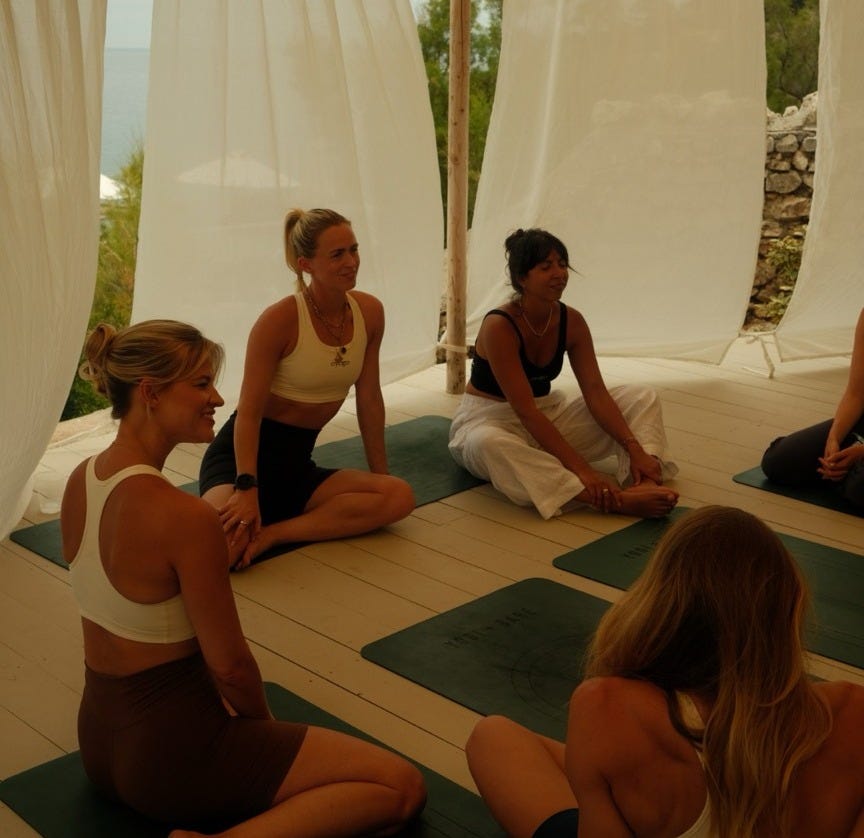
They programme it, not just build it. A movement studio is a room. A daily schedule of world-class classes is a reason to stay. This is the single most common failure in the category – hundreds of millions spent on facilities, and no one running anything in them.
They measure the six pillars honestly – sleep, nutrition, movement, social wellness, spa and recovery, and nature – rather than relabelling five-star bathrooms as "wellbeing." Tellingly, certification bodies like Fitwel and WELL now appear as line items in masterplans; even Marriott has signed Fitwel across its branded residences. The measurement layer is arriving.
They treat social wellness as infrastructure. The loneliest thing in hospitality is a beautiful room and no community. The best places build belonging in on purpose.
$1.8 trillion is the headline. The story underneath it is a quality problem.
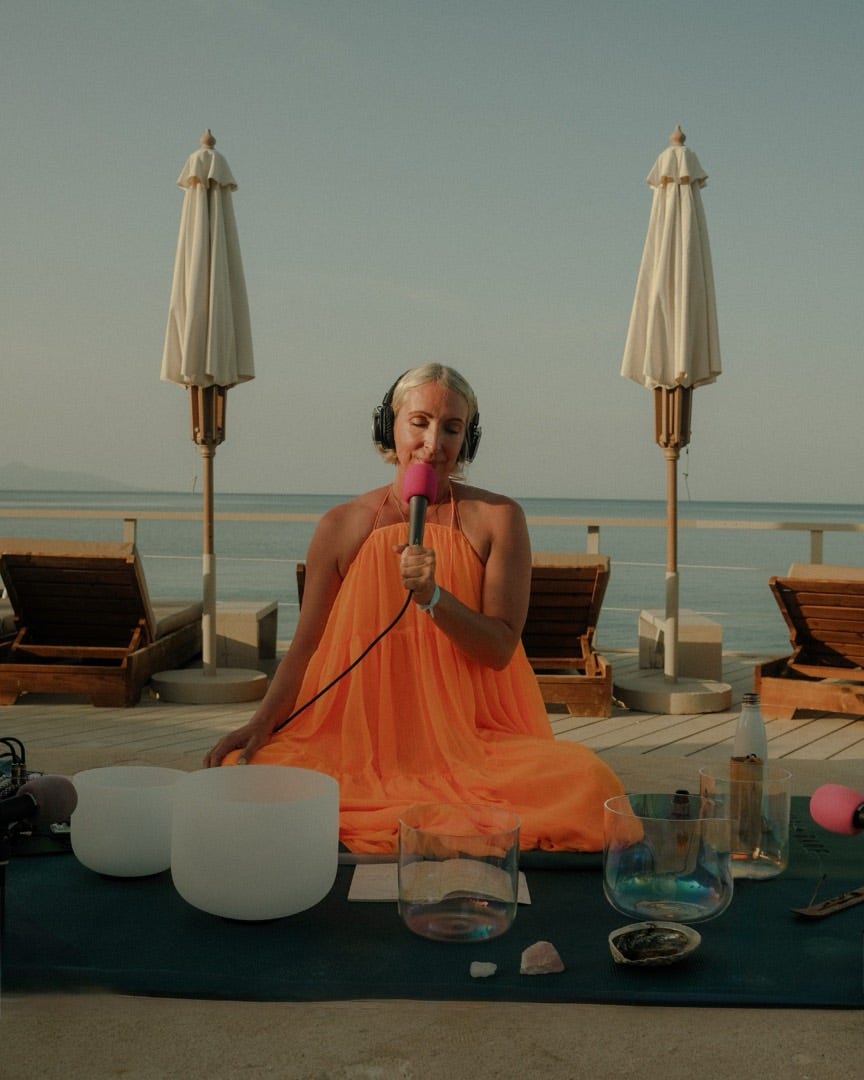
A flood of capital is chasing "wellness," and very few operators actually know how to make a guest feel measurably better by the time they leave. A competitor can copy a cold plunge overnight. They cannot copy a programme, a community, or five years of data proving it worked.
That gap – between the buildings going up and the wellbeing they promise – is exactly what The Oyogo Edit is here to navigate. Every week, we'll take one hotel or residence and tell you the truth: is this the real thing, or a spa with good lighting?
Next Sunday, we start doing exactly that – with one property, taken apart.
The wellness hotels and residences worth knowing about.
One thesis. One property. Every Sunday. Free.
Delivered by Substack, who create your subscription. Oyogo also keeps your email for occasional platform updates. Unsubscribe from either any time – see our privacy policy. Or subscribe on Substack directly →
Sources & data references
- Wellness real estate at $876bn (2025), $151bn (2017), 23.6% CAGR since 2019, $1.8tn forecast by 2030, regional splits and growth leaders – Global Wellness Institute, "Build Well to Live Well 2025"; PR Newswire.
- Marsa Al Saadiyat, Abu Dhabi (AED100bn / US$27.2bn, 58,000 residents, active-route design) – CLAD Global.
- WellEra Bangkok (US$865m, BDMS + Capella, clinical spine) – Manila Times / BDMS.
- Wellness tourism at $894bn, $1.4tn by 2029, 9.1% CAGR – Phocuswright. US resort occupancy 5.4pts below 2019 – CBRE Q2 2026 US Hotel Figures.
- Convenience overtakes healthfulness for first time in 21 years – IFIC 2026 Food & Health Survey.
- Marriott signs Fitwel across branded residences – Hospitality Net.
Researched and drafted with AI assistance. Every source is linked above; the editorial judgement and verdicts are ours.
The leading voice in wellbeing tourism · @oyogo.london · @hann_oyogo